Your first cheque. Your first true believer.
Operator angel investing at the earliest stages.
I'm an operator and former founder. I've spent more than a decade building, running, and supporting fintech companies in Australia and offshore. Sidefund is where I back the next set of fintech founders, at the earliest moment.
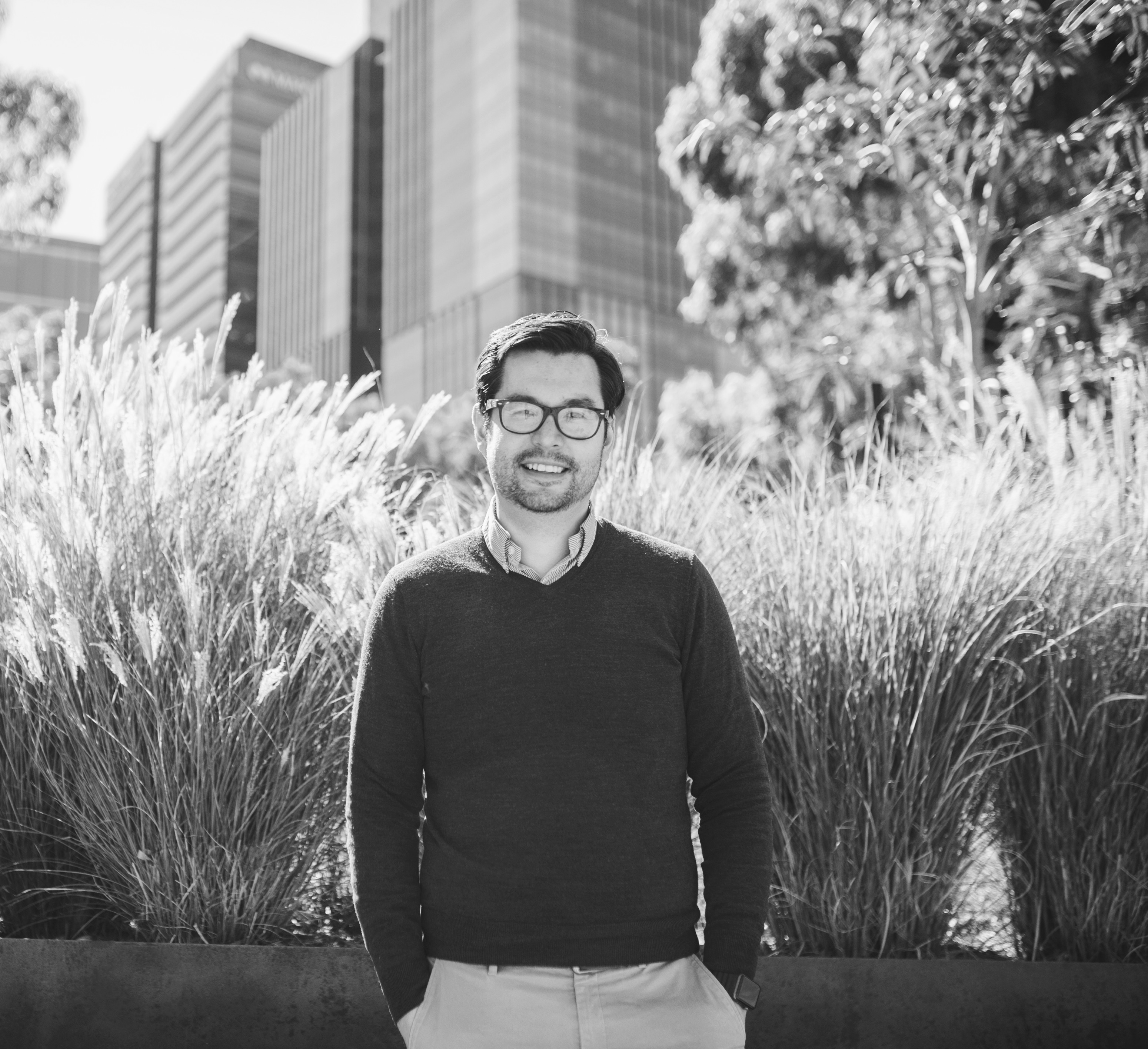
Operator, ecosystem builder, advocate.
I've spent more than a decade in fintech, on every side of the table. I founded and ran Stone & Chalk Melbourne, the city's flagship fintech hub, from day one. I led revenue strategy at Chipper Cash, one of Africa's fastest growing fintechs, including its expansion into ANZ and Canada. I built and ran the corporate accelerator at fmX inside IAG, working alongside founders across insurance and finance.
I chaired Fintech Australia, the national industry body, and sat on the Federal Government's Fintech Advisory Group and ASIC's Digital Finance Advisory Committee. Today I'm General Manager at Cremorne Digital Hub. And before any of this, I co-founded an education business, so I know what it feels like to be the founder on the other side of the cheque. Sidefund is where all of that turns into capital and time for the next set of founders.
A small, deliberate book of fintech bets.
Sidefund is my personal vehicle for backing fintech founders at the earliest stages of their journey. I write small cheques. I pick a few founders a year. I focus on being genuinely useful to the ones I back.
Small on purpose. I'm not the lead, I'm the early believer. The cheque is the start of the relationship, not the substance of it.
The earliest stage.
I usually invest at the earliest stage. I'm happy to back pre-product in segments I know well, but typically I come in at pre-seed or seed. Idea-stage founders are welcome.
Three things I keep betting on.
Only fintech. Within that, three thematic areas guide what I look at.
Fintech is everywhere
Fintech is being embedded into every element of commerce. The most interesting companies are vertical software businesses that happen to own a financial primitive.
Stitching the financial fabric
Anyone building financial products wants to move at internet speed. The legacy stack holds them back. Companies that bridge the two worlds drive the most change.
It's going to get personal
The cost of building and distributing a financial product has collapsed. Focused founders can now build something better for a profession or community than any bank ever could.
Fintech is everywhere.
Fintech is being embedded into every element of commerce. From the Uber you took to get to work to the member management software your local gym uses, fintech is only becoming more ubiquitous.
The most interesting companies aren't pure-play fintechs anymore. They're vertical software businesses that own a financial primitive (payments, accounts, lending, insurance) sitting natively inside the workflow they're already powering.
Stitching the financial fabric.
Anyone building financial services products (startups and incumbents alike) wants to build at internet speed. What usually holds them back is interfacing with legacy financial infrastructure.
Companies that can stitch the two worlds together will drive the most change. Banking-as-a-service, KYC and identity, real-time payment rails, programmable ledgers. None of it sounds sexy at a dinner party, but it's how the next decade of fintech actually gets built.
It's going to get personal.
Financial services has historically taken a one-size-fits-all approach. I think this changes with products built for every person and their circumstances. Banks for nurses, lenders for tradies, financial advice tailored to specific needs. It's going to get really personal, in the best possible way.
The cost of building and distributing a financial product has collapsed. A focused founder with deep insight into a profession or community can build something better for that group than any bank ever could.
When I invest, I roll my sleeves up.
The cheque is small. The help is not. Five places I can be genuinely useful.
Reach out at the earliest stage.
I'm always keen to meet founders. Happy to chat, share what I know, and back the ones I think are onto something.
Hit me up